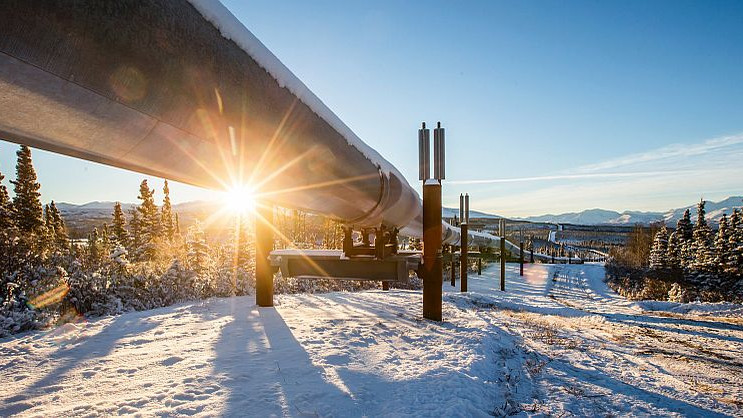
South Korea is considering support for Alaska LNG as part of wider investment negotiations with Washington, but has not matched President Donald Trump's announcement of a contribution exceeding $50 billion, according to OilPrice.com. Seoul's review remains subject to commercial and legal requirements, leaving financing for the proposed development unresolved.
The discussions follow an arrangement cutting threatened US tariffs on Korean exports from 25% to 15% in return for $350 billion of investment and $100 billion of US energy purchases. OilPrice.com reported that South Korea included Alaska LNG among potential investments outlined on 1 October, alongside gas-fired generation in Texas and US nuclear projects. That conditional position differs from the funding commitment Trump announced in September.
Glenfarne owns 75% of Alaska LNG, with the state of Alaska holding the remainder. The estimated $45 billion–$54 billion development would connect North Slope gas reserves to domestic customers and an export terminal at Nikiski. Gas treatment facilities and a pipeline of roughly 1,300 kilometres would be needed before export income could begin. Development would start with supplies to the local market, while first LNG exports are targeted for 2031.
Construction and cost allocation remain significant obstacles. The pipeline route crosses unstable permafrost and mountainous terrain, and about 54% can be built only in summer, according to OilPrice.com. Missing seasonal work windows could delay completion. State-tax arrangements and the division of domestic supply costs also remain unsettled, including how potential overruns would affect Alaskan gas and electricity consumers.
Prospective buyers have offered more limited commitments than construction funding. Posco International has signed a non-binding agreement covering purchases of 1 million tonnes a year for 20 years and the supply of a substantial portion of pipeline steel. A letter of intent involving Jera and Tokyo Gas also concerns purchases of 1 million tonnes annually over 20 years. OilPrice.com noted that buying interest does not resolve financing or the allocation of project risks.
Alaska could offer Korean buyers a shipping advantage: voyages from Nikiski would take around 10–12 days, against roughly 40–45 days for US Gulf Coast cargoes routed around the Cape of Good Hope. However, LNG Canada already provides an alternative Pacific supply source without requiring buyers to finance Alaska's pipeline. The report also pointed to weakening Korean gas demand as a further complication for long-term investment decisions.