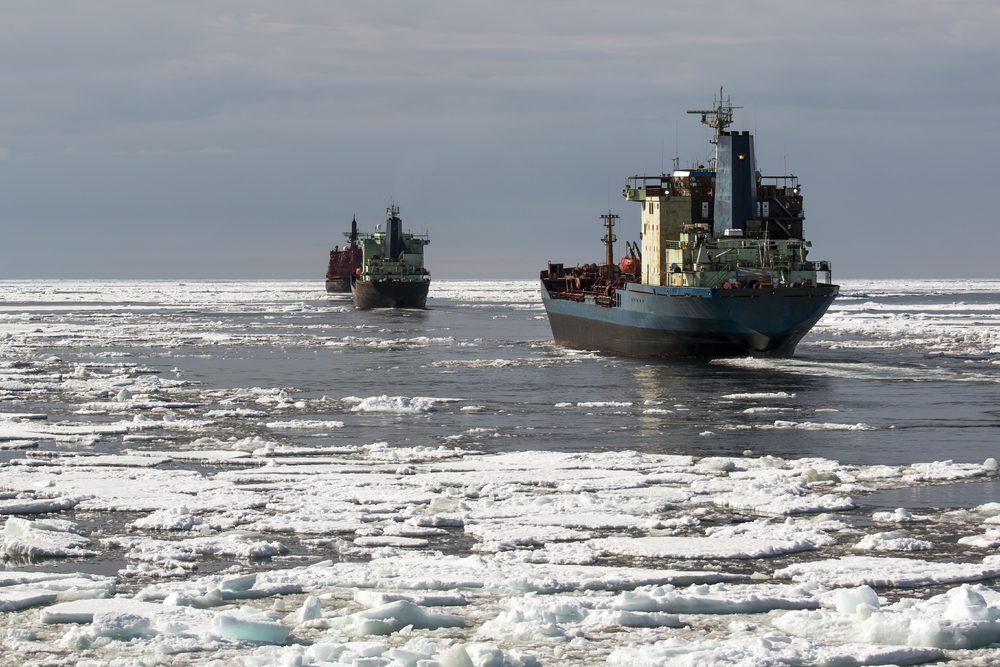
Russia’s Arctic port of Murmansk plans to handle its first grain exports from southern Russia as early as next month, using equipment normally employed for fertiliser cargoes. According to a Reuters report published by gCaptain, the move comes as Ukrainian drone attacks keep the Black Sea export route closed, prompting efforts to establish alternative outlets for Russian grain.
The commercial port said on Tuesday that it would transfer grain directly from railway wagons into ships’ holds, drawing on a loading method usually used for potash. It is also modifying conveyor systems to accommodate larger grain volumes. Murmansk has not previously handled grain, although it is Russia’s fourth-largest port and has total annual cargo-handling capacity of up to 24 million metric tonnes.
The port lies 2,700 km from Novorossiysk, Russia’s principal grain export gateway. It is substantially further from Ukraine than Russia’s Baltic ports and, unlike those facilities, can be reached through neutral waters, the report said. Reuters had reported on Monday that Russian companies were converting fertiliser, coal and other cargo terminals at Baltic and Arctic ports, including Murmansk, to support grain exports.
Direct loading offers a different operating arrangement from the storage elevators typically used at modern grain terminals such as those in Novorossiysk. Those elevators provide operators with more flexibility, while the use of direct transfers at converted facilities reflects the pressure to get exports moving again. Murmansk port operations director Andrei Riznichenko said reliable alternative export logistics were important for Russian producers and the country’s economy.
Analysts cited in the report expect Russian grain exports to fall by half in the July-September period because of port closures on the Black Sea and Sea of Azov. The disruption has depressed domestic grain prices and left unsold stocks accumulating. The Kremlin said on Tuesday that Russia was identifying alternative routes for grain exports.