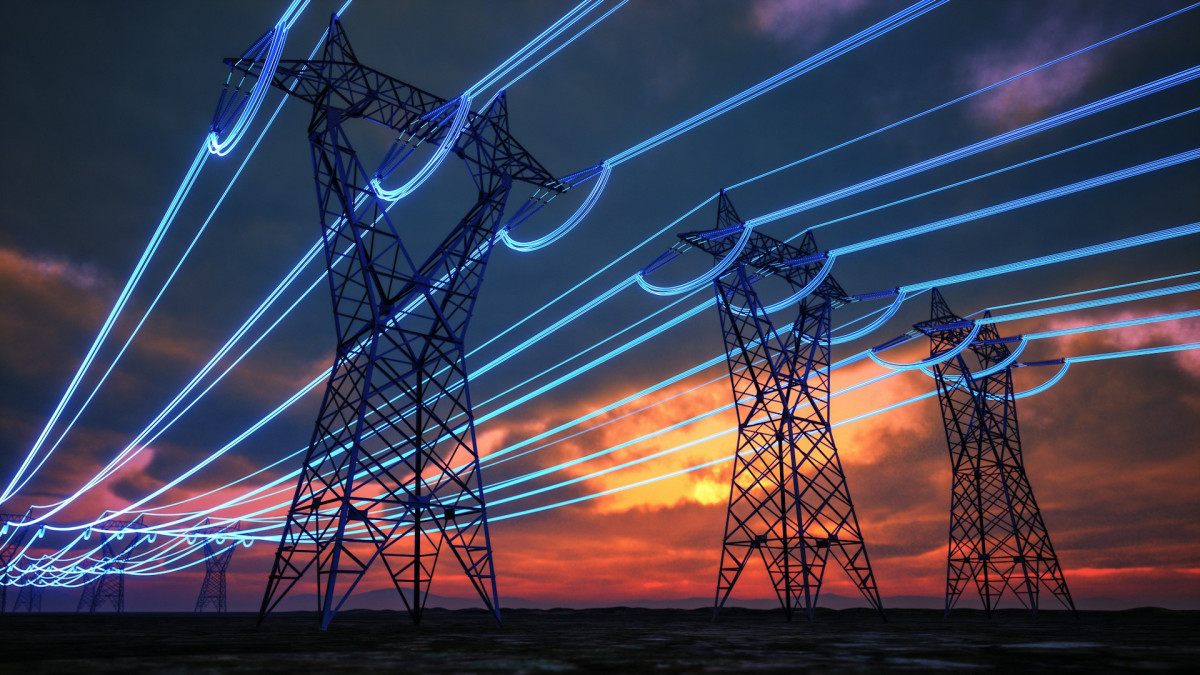
Utilities installed more than 21,000 km of new transmission lines last year, a 50% increase on the previous year, OilPrice.com reported, citing the International Renewable Energy Agency (IRENA). The agency presented the figures at COP31 using data from the Utilities for Net Zero Alliance, as governments consider greater electrification to curb dependence on imported fuels.
IRENA director-general Francesco La Camera said global grid investment needed to more than double, reaching a cumulative $10 trillion by 2035. He linked network expansion to both the energy transition and the Turkish COP31 presidency’s ambition to increase electricity’s share of final energy consumption to 35% by 2035, from roughly 20% today. Delivering those ambitions would require implementation across electricity systems rather than isolated projects, he said.
Transmission constraints are a major barrier to integrating wind and solar generation, according to OilPrice.com. Their output varies with weather conditions, while favourable generating locations are often distant from demand centres. These factors can force operators to curtail production when demand is low, raising costs. The International Energy Agency estimated in 2023 that utilities would need to add or replace about 50 million km of transmission lines by 2040 to meet Paris Agreement commitments.
Financing remains a substantial challenge. OilPrice.com cited a European Commission estimate that EU grid upgrades would require between $2 trillion and $2.3 trillion by 2050 to meet its climate objectives. Investment in the bloc’s networks totalled $90.5 billion in 2024, compared with the more than $100 billion annually that energy think tank Bruegel said would be necessary.
Energy security could provide another impetus. Wood Mackenzie said countries prioritising secure supplies over emissions targets could nevertheless reduce emissions through faster electrification. According to the consultancy’s scenario, energy price pressures from the war in Iran would encourage more domestic wind, solar and nuclear generation, reducing reliance on imported hydrocarbons.
Turkey’s electrification proposal does not stipulate cuts in hydrocarbon use, OilPrice.com reported. That leaves open whether a security-driven expansion of electricity supply would ultimately reduce consumption of oil, gas and coal, rather than simply change how countries meet their energy needs.