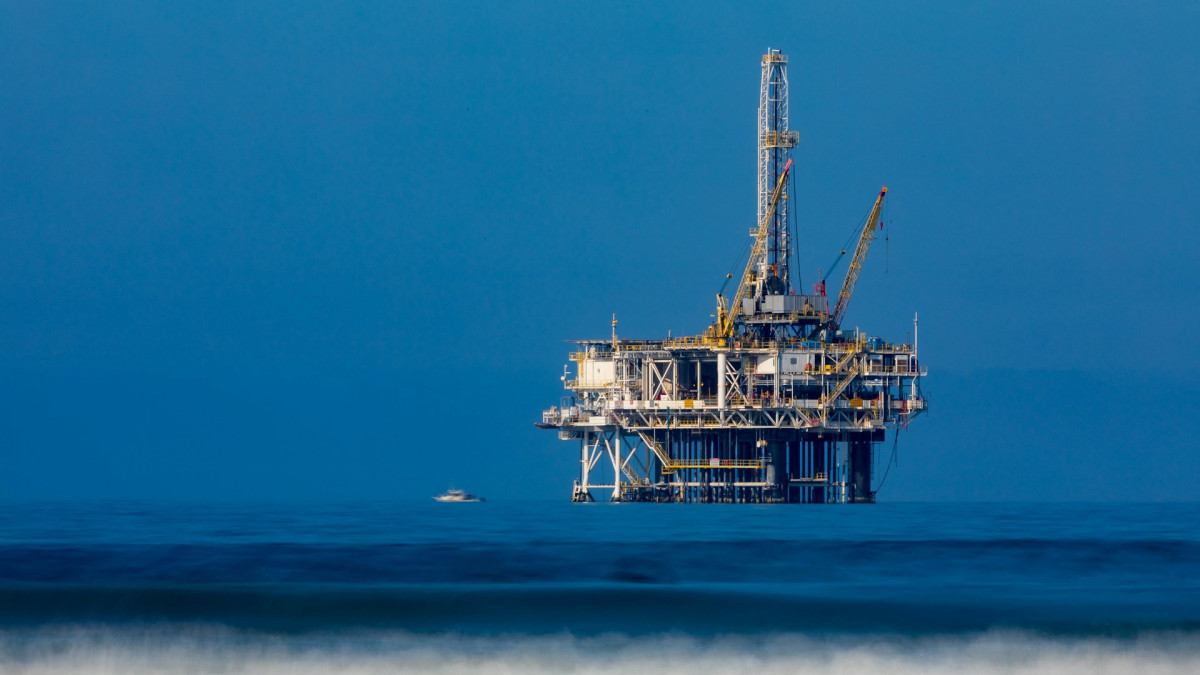
Sable Offshore is seeking more reliable outlets for crude from its Santa Ynez project as California’s shrinking refining sector compounds financing and logistical pressures, OilPrice.com reported. The company has added buyers following an interruption in purchases by Chevron, previously its only customer, but initial sales volumes remain limited and an alternative offshore export route would require substantial investment.
Chevron halted purchases in early October for refinery maintenance and storage-tank upgrades, according to the report. Sable subsequently warned of substantial doubt over its ability to continue as a going concern. Its shares more than halved on 9 November, briefly reaching a record low of 76 cents. Management later said on an earnings call that all four major Los Angeles-area refineries were buying its crude after agreements with three additional customers, including Marathon and PBF Energy.
The new relationships started with small volumes, leaving Sable seeking a bulk sale of up to 1.3 million barrels to fund fourth-quarter spending of $165 million-$175 million, including debt payments. It had $38 million in cash at the end of September. OilPrice.com reported that management also identified a $100 million unsecured borrowing basket and a possible private share placement as fallback options.
Santa Ynez’s heavy, sulphur-rich crude faces ample competing supply, with management putting walk-up pricing at roughly $30 a barrel below Brent. Sable expects a planned restart of the Hondo platform to improve the blend through lighter, sweeter production, forecasting about 10,000 b/d in December. However, additional output would also increase the need for buyers while unsold October barrels occupy storage.
California’s July 2026 refinery listing showed 11 facilities with combined crude-processing capacity of about 1.34 million b/d, OilPrice.com said. Closures and renewable-fuel conversions have narrowed the local market, including Valero’s shutdown of its 145,000 b/d Benicia refinery that spring. Federal intervention restored Sable’s pipeline shipments in March, but California continues to challenge the measures underpinning operations.
Sable is also considering an offshore storage and treating vessel, enabling shuttle tankers to reach domestic or international customers. A February filing estimated the strategy’s cost at about $475 million, subject to regulatory clearances. Such a route could reduce reliance on California refineries and contested onshore infrastructure, but would still depend on financing, approvals and commercially viable sales.