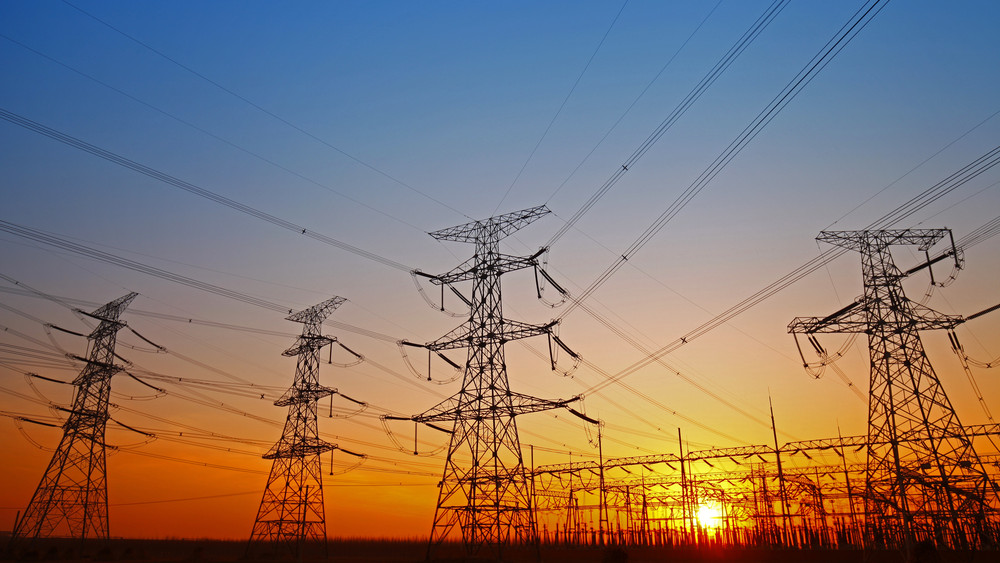
The US Senate has approved the Bipartisan American Affordability and Jobs Bill by 62 votes to 33, advancing legislation intended to accelerate approvals for major energy projects, OilPrice.com reported. The measure, which now goes to the House, covers new power plants, electricity grid upgrades and data centres, alongside fossil fuel and renewable energy developments.
Cross-party backing
Most Republican senators supported the legislation, joined by 14 Democrats and one independent, according to OilPrice.com. The bill had attracted broad Senate support before the midterm elections, although the vote was scheduled for after polling. Its permitting provisions are intended to benefit oil, gas and coal projects as well as wind and solar installations.
Senator Shelley Moore Capito, a co-author of the legislation, presented its passage as progress on household costs. “Tonight, the passage of permitting reform in the Senate finally became reality, and we took a major step towards addressing the affordability concerns of the American people,” she said after the vote.
Environmental objections
Democratic opponents in the Senate feared the changes would dilute environmental regulation, OilPrice.com reported, citing Reuters. The report said the new Democratic majority would not take office until January 2027. Concerns among Democrats in Congress also extend to the potential weakening of net-zero provisions contained in earlier legislation.
“Embedded in this bill is a fundamental question about the direction we go regarding our responsibilities to this planet,” Oregon Senator Jeff Merkley said before the vote, in remarks attributed to CBS News. Merkley conceded that the legislation could “turn the faucet potentially on” for wind and solar development, but questioned whether the Trump administration would instead obstruct those projects while favouring hydrocarbons.
House passage remains uncertain
OilPrice.com argued that President Trump had already dismantled as much pro-transition legislation as he could, suggesting that some of the objections might therefore be redundant. Nevertheless, the outlet warned that Democratic concerns about environmental safeguards and renewable energy could still prevent the permitting bill from passing the House.