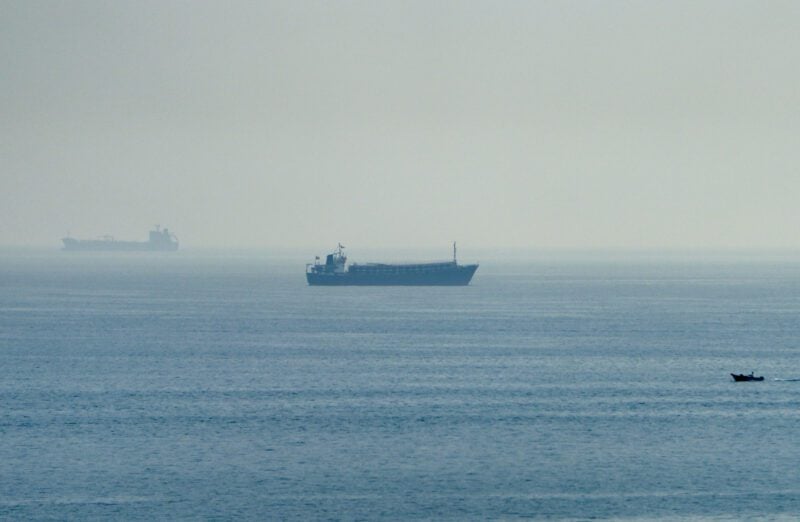
Saudi Arabia is discussing arrangements with customers to make crude loadings outside the Strait of Hormuz available under next year’s long-term contracts, according to a Bloomberg report published by gCaptain. The proposal would put a wartime shipping practice on a contractual footing as the kingdom seeks a larger share of the market. People familiar with the discussions said they must be completed by year-end.
No agreement has been reached, and pricing, freight arrangements and qualifying volumes are still being negotiated, the report said. Long-term contracts account for most Saudi crude supplies, making the proposed changes significant for the kingdom’s export model. Saudi Aramco and the Saudi Energy Ministry did not respond to requests for comment.
With the Iran war in its eighth month, severe disruption in Hormuz has made conventional Gulf export routes harder to use. Some owners have been unwilling to send vessels through the strait, leaving customers facing difficulty finding reasonably priced tankers despite available crude. Saudi Arabia, the United Arab Emirates, Kuwait and Iraq have used shuttle shipments and ship-to-ship transfers to move cargoes beyond the waterway. Under such arrangements, sellers often assume the risk of the passage.
Before the conflict, Aramco’s principal Asian customers typically chartered ships to collect their purchases at Ras Tanura inside the Gulf, with the producer generally staying out of shipping arrangements. Aramco has since used shuttles for Arab Light, Arab Medium and Arab Heavy, according to the report’s sources. It has also recently permitted some customers to transfer cargoes off India, offering an alternative for buyers unable to reach the Gulf of Oman because of security concerns and helping ease congestion around Arabian peninsula ports.
Aramco is also considering organising more deliveries directly to customers, including in Asia. The sources said this could support exports while allowing the company to retain some of the gains associated with sharply higher charter costs for Hormuz voyages. Separately, some Asian buyers have discussed using Brent futures to price long-term purchases rather than Dubai and Oman benchmarks, adding another possible change to the producer’s contractual terms.