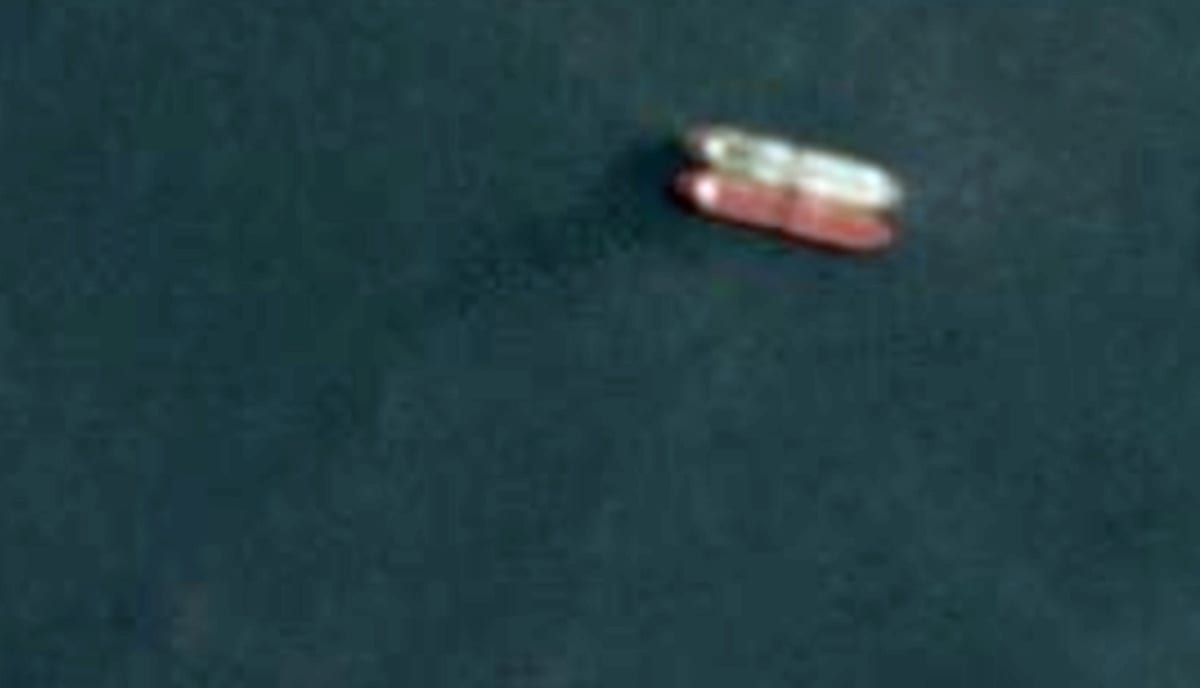
Iran’s floating crude inventories off Malaysia have fallen to no more than about 10 million barrels as transfers to buyers draw down supplies accumulated before the US maritime blockade, gCaptain reported, citing United Against Nuclear Iran (UANI). The group estimated that 9 million barrels of Iranian crude changed hands through ship-to-ship operations in the area during September.
UANI said no fresh Iranian crude had crossed the blockade line since 14 July, leaving offshore inventories without replacement supplies from the Persian Gulf. Crude already outside the blockade can still be transferred and delivered, but continued shipments to China would increasingly consume the remaining stockpile. Around Malaysia’s Eastern Outside Port Limits, the group recorded eight ship-to-ship transfers in September: six involving crude destined for Chinese independent refiners and two involving LPG.
Iranian exports measured at the blockade line remained sharply below July levels. According to UANI’s figures reported by gCaptain, volumes declined from 966,133 barrels per day in July to 49,677 bpd in August, before edging up to 50,789 bpd in September. Three Handymax tankers crossed the line in September carrying about 1.52 million barrels of LPG and methanol. Satellite monitoring identified no crude loadings at Iranian terminals that month, while limited activity involved LPG, naphtha and fuel oil.
The export figures count cargoes when vessels cross the declared US blockade line, rather than when they load, to account for ships unable to leave Iranian waters. Under that methodology, China received no newly exported Iranian barrels in September, distinct from deliveries sourced from crude already held offshore.
Enforcement around Malaysia has also displaced tanker activity. UANI said at least 25 so-called ghost fleet tankers left the EOPL area following targeted Malaysian actions, while roughly 20 remained. It reported Iranian crude transfers by Hilda I south of Zhuhai on 17 September and Happiness I south of Hong Kong on 22 September, alongside other vessels moving to anchorages farther north.
The Iranian drawdown contrasts with recovering exports elsewhere in the region. Citing Kpler and Vortexa figures, UANI put crude exports from major Middle Eastern producers at an average 18.3 million bpd during September’s final seven days, the highest since the conflict began in February. Saudi Arabia and the United Arab Emirates led the recovery.