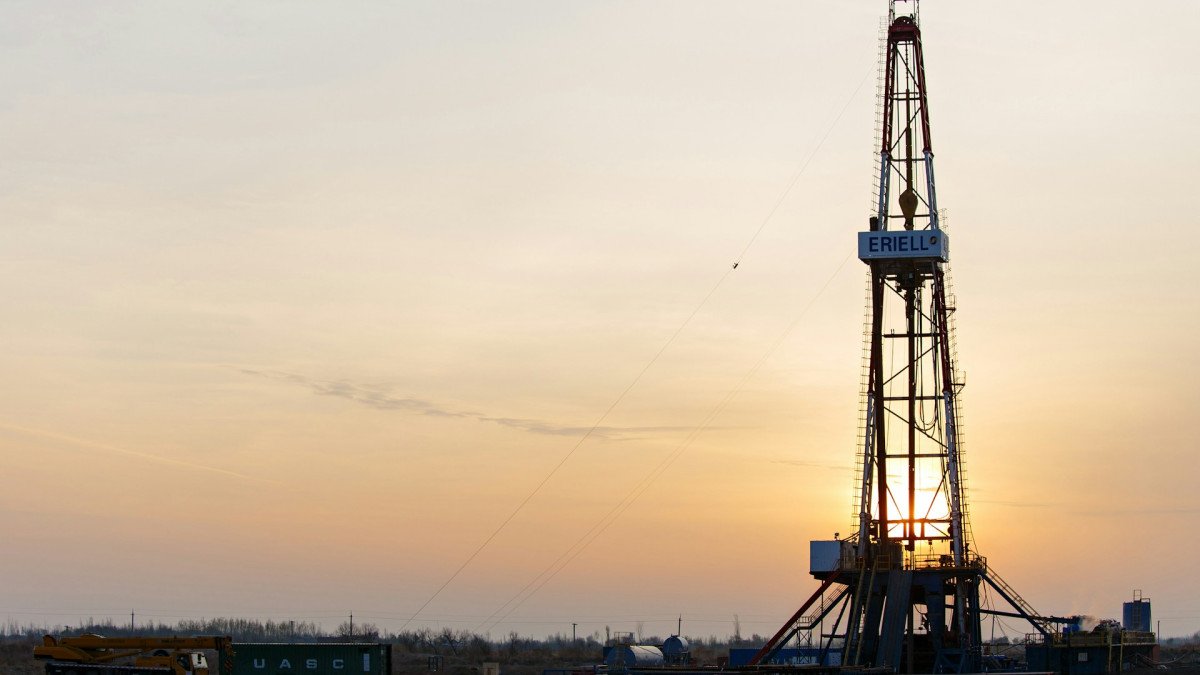
Iraq and Chevron have agreed commercial terms for the West Qurna 2 oilfield and expect to sign a formal agreement before 31 December, OilPrice.com reported. The agreement would come ahead of the February 2027 expiry of Chevron’s exclusive negotiating period. The report said terms were settled following a meeting between Iraqi Oil Minister Basim Mohammed Khudair Al-Abadi and Chevron’s vice president of business development, Joe Cook.
The acceleration followed intervention by Deputy Prime Minister for Energy Affairs Mohsen al-Mandalawi, according to an unnamed source working closely with Iraq’s Oil Ministry cited by OilPrice.com. During a November visit by Chevron representatives, he urged negotiators to remove obstacles and conclude the deal quickly. Baghdad also agreed to let talks over the Nassiriya oilfield proceed separately, rather than requiring both developments to advance together.
Chevron has already gained access to technical work at West Qurna 2 through a consultancy contract signed by the ministry in mid-September. That arrangement allows it to advise state-owned Basra Oil Company, which the report said has operated the field since Lukoil effectively withdrew the previous November. Located about 65 kilometres northwest of Basra, West Qurna 2 contains roughly 14 billion barrels of reserves and produced around 400,000 barrels a day during Lukoil’s development, equivalent to about 9% of Iraqi output at that time.
OilPrice.com’s ministry source put the current working target for peak production at 800,000 barrels a day. The report said officials believed the field could ultimately approach the 1.2 million barrels a day envisaged under Lukoil’s revised original contract. Those expectations remain development ambitions rather than confirmed future output.
The outlet linked Baghdad’s urgency to pressure on public finances following the closure of the Strait of Hormuz, alongside a need for Chevron’s technical and financing capabilities. It reported that oil has historically supplied more than 90% of Iraq’s annual budget. Storage constraints following the disruption forced well shutdowns, raising concerns about reservoir damage. OilPrice.com also described the agreement as part of Baghdad’s wider effort to attract American investment and strengthen relations with Washington.